2525 NJPAC Modifications
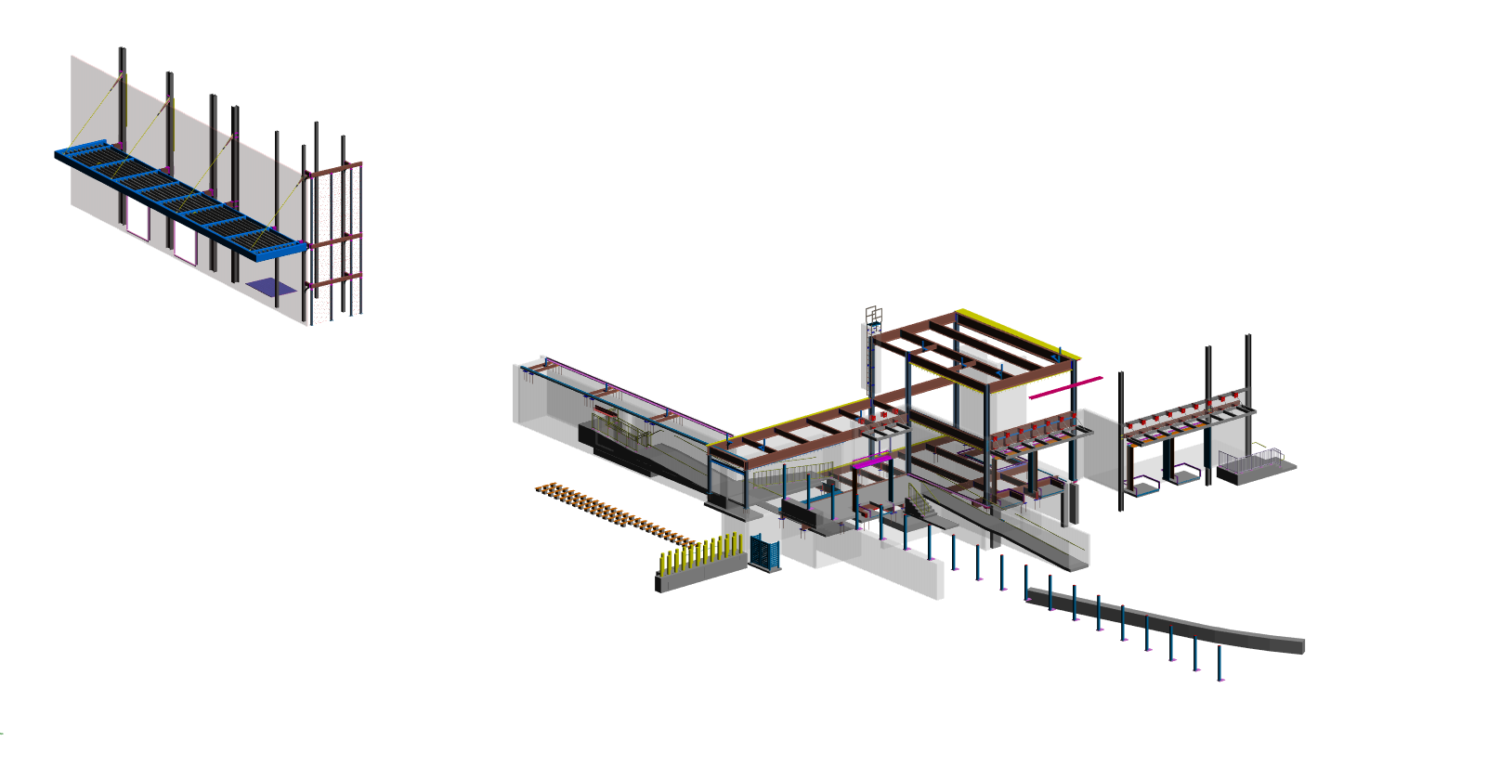
2525 NJPAC Modifications
2525 NJPAC Modifications – Theater & Entertainment Project Overview
The 2525 NJPAC Modifications project represents a specialized Theater & Entertainment Project focused on the modification, enhancement, and coordination of an existing or operational entertainment facility. Renovation and modification projects within performing arts and public entertainment environments require a high level of precision because new structural elements must integrate with existing conditions while supporting architectural improvements, updated building systems, operational requirements, and long-term facility performance.
Unlike new construction, modification projects require detailed understanding of existing structural conditions. Existing beams, columns, slabs, walls, connections, architectural elements, mechanical systems, electrical services, and other components may influence the development of new structural work. Accurate documentation and coordinated modeling are therefore essential for minimizing uncertainty and supporting efficient construction.
For Rydberg Engineering LLC, the 2525 NJPAC Modifications project demonstrates the value of structural steel detailing, 3D structural modeling, BIM coordination, connection detailing, shop drawings, erection drawings, and construction documentation. These services help transform design requirements into practical information that can be used by engineers, architects, fabricators, contractors, and field teams.
Theater and Entertainment Facility Modifications
Theater and entertainment facilities require specialized planning because their spaces often support performances, public gatherings, rehearsals, events, technical operations, and visitor circulation.
Adapting Existing Spaces
Modification work may involve changes to existing spaces to accommodate updated architectural layouts, event requirements, equipment, circulation, or building systems.
Coordinating New and Existing Construction
New structural elements must be carefully coordinated with existing construction to ensure that modifications can be fabricated and installed effectively.
Maintaining Facility Functionality
When work occurs within or around an operating entertainment facility, construction coordination must consider access, sequencing, safety, and operational requirements.
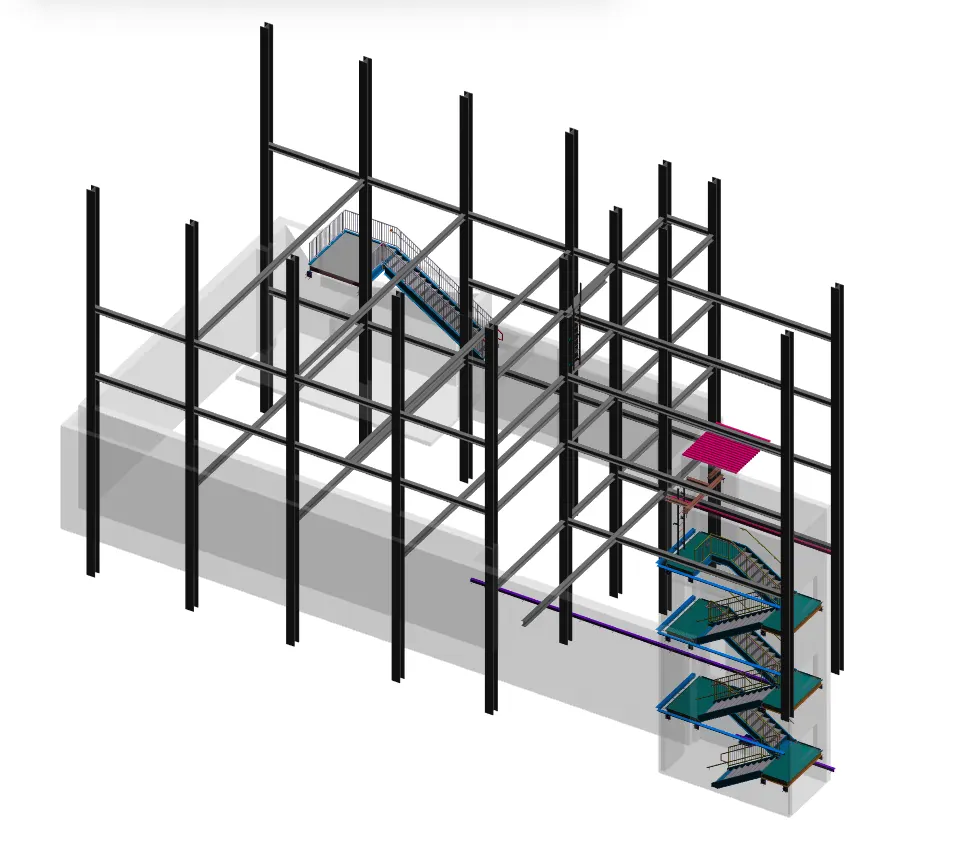
Structural Engineering for 2525 NJPAC Modifications
Structural engineering provides the foundation for safe and reliable modifications.
Existing Condition Review
A modification project begins with a careful review of available structural and architectural documentation and an understanding of existing framing conditions.
Identifying Structural Interfaces
Existing beams, columns, walls, slabs, connections, openings, and supports must be considered when developing new structural elements.
Supporting Reliable Modifications
Accurate structural documentation helps project teams understand how proposed modifications interact with the existing building.
3D Structural Modeling and BIM Coordination
3D structural modeling and Building Information Modeling (BIM) can significantly improve coordination for complex modification projects.
Digital Representation of Structural Conditions
A coordinated model can represent existing and proposed structural elements within a common digital environment.
Visualizing Existing and New Framing
Project participants can review new beams, columns, braces, platforms, supports, and connections in relation to existing construction.
Early Identification of Conflicts
Potential conflicts can be identified before fabrication and field installation, helping reduce unexpected modifications.
Structural Steel Detailing
Structural steel detailing is a critical component of the 2525 NJPAC Modifications workflow.
Detailed Modification Components
Depending on project requirements, structural detailing may include:
- New structural beams
- Steel columns
- Reinforcing members
- Bracing
- Connection plates
- Base plates
- Gusset plates
- Stiffeners
- Support frames
- Platforms
- Canopies
- Equipment supports
- Miscellaneous steel
Accurate Modification Detailing
Each new structural component must be accurately documented with dimensions, materials, locations, connection information, and references to existing conditions.
Supporting Fabrication and Installation
Detailed documentation helps fabricators and contractors understand how new steel components are intended to integrate with the existing structure.
Existing and New Structural Coordination
One of the most important aspects of a modification project is the interface between existing and new construction.
Connecting New Steel to Existing Structure
New structural members may need to connect to existing beams, columns, slabs, walls, or other structural components.
Field Verification Considerations
Existing construction may differ from original drawings due to previous modifications, tolerances, repairs, or undocumented conditions.
Reducing Installation Uncertainty
Detailed modeling and careful coordination can help project teams anticipate field conditions and develop practical installation solutions.
Theater and Performance Space Modifications
Entertainment facilities may require structural modifications to accommodate changes in performance spaces.
Stage and Platform Improvements
Structural work may involve platforms, stage framing, support structures, stairs, guardrails, or other specialized steel components.
Coordinating Performance Systems
Structural elements may need to work alongside lighting, audio, theatrical equipment, curtains, screens, rigging-related components, and other entertainment systems.
Supporting Flexible Performance Environments
Accurate structural detailing helps create reliable spaces that can accommodate changing performance and event requirements.
Structural Support for Entertainment Equipment
Modern entertainment venues can contain extensive technical equipment.
Equipment Support Structures
Structural steel may be required to support lighting systems, audio equipment, screens, mechanical equipment, signage, and other facility components.
Coordinating Equipment Loads
Equipment locations and support requirements must be reviewed in relation to existing and proposed structural framing.
Maintaining Structural Performance
Accurate support detailing helps ensure that equipment is properly integrated with the structural system.
Structural Steel Shop Drawings
Structural steel shop drawings provide fabricators with the information required to manufacture new steel components.
Modification Fabrication Documentation
Shop drawings may include:
- Member sizes
- Dimensions
- Material specifications
- Connection configurations
- Bolt locations
- Weld requirements
- Plate dimensions
- Hole locations
- Stiffeners
- Existing-condition references
- Piece marks
- Assembly information
Clear Fabrication Requirements
Detailed shop drawings help fabricators understand the geometry and connection requirements of each modification component.
Improving Fabrication Accuracy
Consistent documentation reduces uncertainty and supports efficient fabrication.
Erection Drawings for Modification Projects
Erection drawings are especially important when new structural components must be installed within an existing facility.
Field Installation Documentation
Erection drawings can identify member locations, elevations, orientations, grid references, piece marks, connection details, and installation relationships.
Coordinating Installation With Existing Construction
Field teams can use erection documentation to understand how new components relate to existing framing.
Supporting Construction Sequencing
Accurate erection drawings help contractors organize installation activities and coordinate work around existing building conditions.
Structural Connection Detailing
Connections are among the most critical elements of structural modifications.
Existing-to-New Connections
Connection details may include bolted and welded connections between new structural steel and existing beams, columns, plates, or other structural components.
Practical Connection Solutions
Connections must meet engineering requirements while considering access, fabrication limitations, field installation, and existing conditions.
Coordinating Bolts and Welds
Accurate bolt, weld, plate, and stiffener information helps fabricators and erectors understand how new structural components should be assembled.
MEP and Architectural Coordination
Theater modifications frequently involve significant changes to building services and architectural elements.
Structural and MEP Interfaces
Structural framing may intersect with:
- HVAC ductwork
- Electrical systems
- Plumbing
- Fire protection
- Lighting
- Audio systems
- Communication systems
- Security systems
- Ceiling systems
- Theater equipment
BIM-Based Coordination
A coordinated digital model can help project teams review structural interfaces with building services.
Reducing Construction Rework
Early identification of clashes can reduce field modifications and improve construction efficiency.
Architectural Coordination
Structural modifications must preserve and support architectural intent.
Integrating Structural Changes
New steel may need to accommodate walls, ceilings, doors, finishes, platforms, architectural features, and other components.
Maintaining Design Intent
Accurate structural detailing allows modifications to integrate effectively with the surrounding architectural environment.
Precision in Renovation Work
Careful coordination is particularly important when modifications occur within finished public spaces.
Accessibility and Public Circulation
Theater and entertainment facilities require carefully planned visitor circulation.
Accessible Modifications
Structural changes should be coordinated with entrances, ramps, stairs, corridors, seating areas, platforms, and other public circulation elements.
Supporting Inclusive Access
Thoughtful coordination helps maintain practical accessibility throughout modified areas.
Safe Visitor Movement
Integrated structural and architectural planning supports a safe and comfortable environment for visitors and staff.
Constructability and Preconstruction Planning
Constructability is essential when modifying an existing entertainment facility.
Practical Structural Steel Detailing
Steel components should be detailed with fabrication, transportation, lifting, handling, access, and installation requirements in mind.
Reviewing Installation Constraints
Existing walls, ceilings, equipment, finishes, and limited access areas may affect how new steel can be delivered and installed.
Minimizing Disruption
Preconstruction coordination can help identify installation challenges before work reaches the field.
Quality Control for Structural Modifications
Quality control is particularly important for renovation and modification projects.
Structural Model Review
Quality reviews can examine:
- Existing and new member relationships
- Member dimensions
- Elevations
- Connection information
- Material specifications
- Piece marks
- Bolt locations
- Weld details
- Drawing consistency
- Existing-condition interfaces
Accuracy Before Fabrication
Thorough checking helps identify discrepancies before fabrication begins.
Reliable Modification Documentation
High-quality construction documents provide dependable information for engineers, fabricators, contractors, and field teams.
Digital Workflow for Renovation Projects
Modern digital workflows provide significant advantages for structural modification projects.
BIM-Based Coordination Benefits
A coordinated BIM workflow can support:
- Existing-condition modeling
- New structural modeling
- Clash detection
- Structural visualization
- Interdisciplinary coordination
- Shop drawing preparation
- Erection drawing preparation
- Construction planning
- Quality control
Centralized Project Information
A coordinated model can provide a common reference for existing and proposed structural components.
Improving Modification Delivery
Digital coordination allows project teams to address potential problems before they affect fabrication or construction.
Rydberg Engineering LLC Structural Steel Detailing
Rydberg Engineering LLC provides structural steel detailing and BIM services for theater, entertainment, commercial, institutional, renovation, and modification projects.
Comprehensive Structural Detailing Services
Our capabilities include:
- Structural steel detailing
- 3D structural modeling
- BIM coordination
- Existing-condition coordination
- Steel shop drawings
- Erection drawings
- Connection detailing
- Fabrication documentation
- Construction coordination
- Quality control
Engineering-to-Fabrication Workflow
Accurate detailing creates a dependable connection between structural design requirements and fabrication-ready information.
Precision-Driven Construction Support
Careful modeling and documentation help support accurate fabrication, efficient installation, and coordinated construction.
Internal Link – Structural Steel Detailing Services
Learn more about Rydberg Engineering LLC Structural Steel Detailing Services, including structural steel modeling, BIM coordination, shop drawings, erection drawings, and connection detailing.
External Link – National Park Service
For additional information about historic places, cultural resources, preservation, and public facilities, visit the National Park Service website.
Theater Renovation and Long-Term Facility Value
The 2525 NJPAC Modifications project illustrates the broader importance of carefully planned improvements to entertainment facilities.
Modernizing Existing Entertainment Spaces
Facility modifications can help existing venues adapt to changing audience expectations, technology, accessibility requirements, operational needs, and event formats.
Improving Functional Performance
Structural modifications can support updated layouts, equipment, circulation, performance systems, and building services.
Extending Facility Use
Well-coordinated modifications can help existing entertainment environments remain functional and adaptable for future activities.
Conclusion – 2525 NJPAC Modifications
Ultimately, the 2525 NJPAC Modifications project demonstrates how structural engineering, structural steel detailing, BIM coordination, 3D structural modeling, connection detailing, fabrication documentation, and construction planning can support a complex Theater & Entertainment Project.
Modification work requires a different approach from new construction because new structural components must integrate with existing conditions. Existing beams, columns, slabs, walls, architectural finishes, mechanical systems, electrical services, and other components can significantly influence the design and installation of new steel.
The use of 3D structural modeling and Building Information Modeling provides project participants with greater visibility into existing and proposed conditions. New beams, columns, braces, platforms, supports, equipment frames, and connections can be reviewed alongside existing construction and other building systems.
Accurate structural steel shop drawings and erection drawings provide fabricators and field teams with the information required to manufacture and install modification components. Detailed connection documentation is particularly important when new steel must connect to existing structural elements.
Quality control remains a critical part of the structural detailing workflow. Reviewing dimensions, elevations, existing-to-new interfaces, member relationships, connection information, material specifications, piece marks, bolts, welds, and drawing consistency helps identify potential issues before fabrication or installation.
For Rydberg Engineering LLC, the 2525 NJPAC Modifications Theater & Entertainment Project represents the application of structural steel detailing, BIM services, 3D structural modeling, existing-condition coordination, connection detailing, fabrication documentation, preconstruction planning, and construction documentation to a specialized entertainment facility.
Through accurate modeling and coordinated documentation, engineering requirements can be transformed into practical information that supports efficient fabrication, organized field installation, and reliable structural performance.
The 2525 NJPAC Modifications project ultimately showcases how modern structural steel detailing and BIM technology can help existing entertainment facilities adapt to changing requirements while maintaining structural integrity and constructability. By combining engineering expertise, digital coordination, precise documentation, and multidisciplinary collaboration, Rydberg Engineering LLC supports renovation and modification projects that contribute to safer, more functional, flexible, and sustainable entertainment environments.
Visit Another Project: COUNTY THEATER
Save Time. Save Money. Save Materials.
Partner with us for world-class structural detailing and modeling services
Request a Proposal