Sreejith – Eagle County Airport Entry Repairs
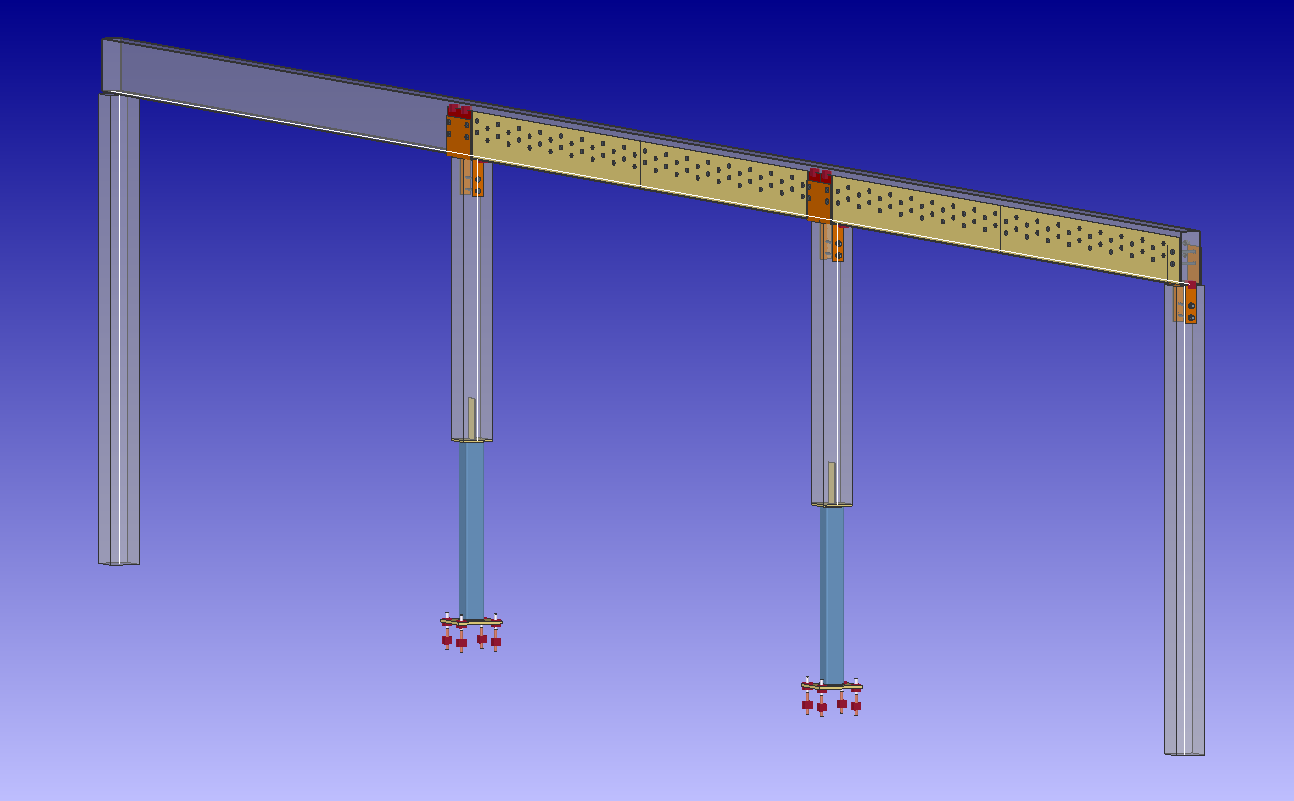
Sreejith – Eagle County Airport Entry Repairs
Sreejith – Eagle County Airport Entry Repairs | Airport Project
The Sreejith – Eagle County Airport Entry Repairs project focuses on the repair, improvement, and structural enhancement of an important airport entry area. As an airport facility, the project requires careful attention to safety, durability, functionality, constructability, and coordination with existing infrastructure. Entry areas are highly visible and frequently used portions of an airport environment, making reliable construction and accurate structural documentation essential for maintaining safe and efficient access.
Structural Engineering and Steel Detailing for Airport Entry Repairs
From a structural engineering and detailing perspective, the project involved careful consideration of existing conditions and the requirements associated with repairing or modifying an established structure. Unlike new construction, structural repair projects require engineers and detailers to work within the limitations of an existing facility. Existing structural members, architectural elements, connections, dimensions, and surrounding building components must be carefully reviewed to develop practical and constructible repair solutions.
Structural Steel Repair Detailing
Structural steel detailing plays an important role in documenting the required repair and modification work. Accurate drawings communicate the location, configuration, and extent of structural improvements to fabricators and construction teams. Steel members, plates, support elements, connections, reinforcing components, and other structural details must be clearly represented so that repair work can be completed according to engineering requirements.
Repair Components and Reinforcement Details
Repair detailing may include new steel members, reinforcing plates, angles, stiffeners, support elements, brackets, and other structural components. Each component must be accurately dimensioned and coordinated with the existing structure. Clear detailing helps ensure that new repair elements can be fabricated and installed correctly while maintaining the required structural performance.
3D Structural Modeling for Airport Repair Projects
A coordinated 3D structural model can provide significant value during the development of an airport repair project. By creating a detailed digital representation of existing and proposed structural components, project teams can better understand the relationship between the repair work and the surrounding structure. The model can help visualize existing framing, new reinforcement, connection locations, and other modifications before construction begins.
Existing and Proposed Structural Conditions
Modeling existing and proposed conditions provides a common reference for engineers, structural detailers, contractors, fabricators, and other project stakeholders. It helps illustrate how new repair components interact with existing beams, columns, supports, plates, connections, architectural features, and surrounding building systems.
Digital Visualization and Coordination
Three-dimensional visualization allows complex repair conditions to be reviewed before fabrication and installation. Potential conflicts involving structural members, access requirements, architectural finishes, doors, glazing, lighting, signage, and other airport entry components can be identified and addressed during the coordination stage.
Existing-Condition Assessment and Coordination
Existing-condition coordination is one of the most important aspects of structural repair projects. Field conditions may differ from original construction drawings because of previous modifications, aging materials, maintenance activities, or changes made throughout the life of the facility. Careful review of available information and coordination between engineering, detailing, and construction teams can help reduce uncertainty and ensure that proposed repairs are practical.
Existing Structural Member Verification
Existing beams, columns, plates, supports, connections, framing dimensions, elevations, and surrounding components must be carefully considered when developing repair details. Accurate information about existing conditions helps ensure that new structural components fit correctly and can be installed without unnecessary field modifications.
Coordination with Field Conditions
Repair projects often require close communication between design and construction teams because actual field conditions can influence installation. Detailed documentation provides a reliable reference for comparing existing conditions with engineering requirements and proposed repair solutions.
Structural Steel Shop Drawings for Repair Work
The project requires detailed structural steel shop drawings for new steel components and repair assemblies. Shop drawings communicate member dimensions, plate sizes, material specifications, connection requirements, bolt locations, weld information, holes, stiffeners, and other fabrication details. Clear documentation helps fabricators produce required components accurately and ensures that repair elements are compatible with existing conditions.
Fabrication Documentation
Accurate fabrication drawings provide steel fabricators with the information required to manufacture repair components according to the approved engineering design. Consistent member identification, dimensions, material requirements, connection information, and fabrication details help improve accuracy and reduce unnecessary revisions.
Repair Steel Member Detailing
Repair members and reinforcement components must be carefully detailed to account for existing structural geometry. Plates, angles, channels, beams, stiffeners, brackets, and other components should be accurately represented so they can be fabricated and installed efficiently within the existing airport entry structure.
Structural Connection Detailing for Existing Structures
Connection detailing is particularly important in structural repair work. New steel components may need to connect to existing beams, columns, plates, supports, or other structural elements. These connections must be carefully documented to accommodate the existing structure while satisfying the engineering requirements of the repair.
Bolted and Welded Connections
Accurate detailing of bolts, welds, plates, angles, stiffeners, gusset plates, brackets, and reinforcement components helps support safe and efficient installation. Connection information must be clearly communicated so that fabricators and field crews understand how new components are intended to integrate with the existing structure.
Existing-to-New Steel Connections
Connections between new and existing structural steel require particular attention because available connection surfaces, existing member geometry, access, and field conditions can affect installation. Detailed documentation helps establish the required relationship between existing structural components and new repair elements.
Airport Entry Construction Coordination
Because the project is associated with an airport entry, construction coordination is especially important. Repair activities may need to be carefully planned around existing access routes, pedestrian movement, vehicle circulation, airport operations, and other active facilities. Construction documentation must provide clear information that supports efficient work while minimizing disruption to surrounding operations.
Access and Circulation Considerations
Airport entry areas experience regular movement of vehicles, pedestrians, staff, visitors, and service personnel. Structural repair activities must therefore be coordinated with access requirements and the surrounding operational environment. Constructible repair details can help construction teams plan installation activities around these constraints.
Minimizing Operational Disruption
Clear structural documentation can help contractors understand the scope and sequence of repair activities. Coordinated repair drawings and models provide useful information for planning work within an active airport environment while supporting efficient installation and minimizing unnecessary disruption.
Interdisciplinary BIM Coordination
Interdisciplinary coordination is another important part of the project. Structural repairs may interact with architectural finishes, doors, glazing, signage, lighting, mechanical systems, electrical services, and other components associated with the airport entry. A coordinated BIM workflow and detailed drawings help identify these interfaces and provide project teams with a clearer understanding of the work required.
Architectural and Structural Coordination
Structural repair components must be coordinated with architectural features to preserve the appearance and functionality of the airport entry. Existing finishes, doors, glazing, canopies, signage, and other architectural elements may influence the placement and configuration of repair steel.
Building Systems Coordination
Mechanical, electrical, lighting, fire protection, and other building services may also interact with structural repair areas. Reviewing these systems alongside the structural model helps identify potential conflicts and supports a coordinated repair solution.
Quality Control in Structural Repair Detailing
Quality control is essential throughout the structural detailing process. Repair drawings and structural models must be reviewed carefully for dimensions, elevations, member sizes, connection details, material requirements, and consistency with the engineering design. Accurate documentation is particularly important when working with existing structures because even small dimensional differences can affect the installation of new components.
Model and Drawing Review
The structural model and repair drawings should be checked for member geometry, dimensions, elevations, connection information, existing-condition interfaces, architectural coordination, and consistency with engineering requirements. Thorough review helps identify potential discrepancies before fabrication.
Accuracy and Constructability Checks
Detailed checking helps ensure that repair components are not only structurally appropriate but also practical to fabricate, transport, handle, and install. This is especially important when working within an existing airport facility with limited access and operational constraints.
Modern Digital Workflows for Airport Structural Repairs
The project demonstrates the value of modern digital workflows in structural repair and renovation. 3D structural modeling allows engineers, detailers, contractors, and other stakeholders to visualize existing and proposed conditions and review repair strategies before work begins. Digital coordination can improve communication and help reduce the risk of unexpected conditions during construction.
Preconstruction Repair Coordination
Preconstruction coordination provides an opportunity to review repair strategies, existing conditions, connection requirements, fabrication details, and installation constraints before work begins. Addressing potential issues during this stage can help reduce rework and field modifications.
Digital Documentation and Communication
Coordinated digital models, shop drawings, repair details, and erection documentation provide project participants with a consistent source of structural information. This supports communication between engineering, detailing, fabrication, and construction teams.
Constructability of Airport Structural Repairs
Constructability is a critical consideration for repair projects. Repair components must not only satisfy structural requirements but also be practical to fabricate, transport, handle, and install within an existing facility. Limited access, existing structural members, surrounding finishes, and active airport operations can all influence how repair work is executed.
Repair Installation Planning
Detailed structural documentation helps construction teams understand existing constraints and plan the installation of new repair components. Accurate dimensions, connection details, member identification, and clear repair instructions can support efficient field execution.
Fabrication and Field Installation
Fabrication-ready drawings help ensure that repair components are manufactured according to the required dimensions and specifications. Clear erection and installation information then supports the correct positioning and connection of these components in the field.
Efficient Repair Execution
Combining accurate modeling, detailed steel connections, shop drawings, and construction documentation helps create a coordinated workflow from engineering design through fabrication and field installation. This approach can improve efficiency while reducing uncertainty during repair construction.
Comprehensive Structural Steel Detailing Approach
The Sreejith – Eagle County Airport Entry Repairs project demonstrates how structural engineering and steel detailing can contribute to the successful rehabilitation of an existing airport facility. Rather than simply creating new structural elements, repair detailing requires an understanding of existing conditions and careful integration between old and new components. This makes accuracy, coordination, constructability, and attention to detail especially important throughout the project.
Integrated Repair Engineering and Detailing
For a structural steel detailing team, the project highlights the importance of developing practical solutions for complex existing conditions. From reviewing available engineering information and existing structures to developing repair details, connection documentation, shop drawings, and erection information, every stage contributes to the successful completion of the repair work.
Precision and Technical Expertise
Structural repair projects require a high level of technical accuracy because new components must integrate with an existing structure. Careful detailing and coordination help ensure that repair components are compatible with existing members and can be fabricated and installed according to engineering requirements.
Safety, Durability, and Long-Term Performance
Accurate repair detailing supports the safety, durability, and long-term performance of the improved airport entry. Properly coordinated structural modifications, connections, fabrication documentation, and installation information contribute to a reliable repair solution designed to support continued facility use.
Project Outcome
Ultimately, the Sreejith – Eagle County Airport Entry Repairs project showcases the value of precise structural steel detailing, coordinated 3D modeling, BIM coordination, structural connection detailing, shop drawings, and construction documentation in the repair and improvement of an active airport facility.
Through careful analysis of existing conditions, accurate detailing of structural modifications, coordinated repair solutions, and close collaboration between engineering, fabrication, and construction teams, the project supports the restoration and enhancement of an important airport entry while emphasizing safety, durability, constructability, precision, and long-term structural performance.
Can visit another project: STF-Douglass Airport
Save Time. Save Money. Save Materials.
Partner with us for world-class structural detailing and modeling services
Request a Proposal