North Texas Emergency Communications Center
North Texas Emergency Communications Center
North Texas Emergency Communications Center – Theater & Entertainment Project Overview
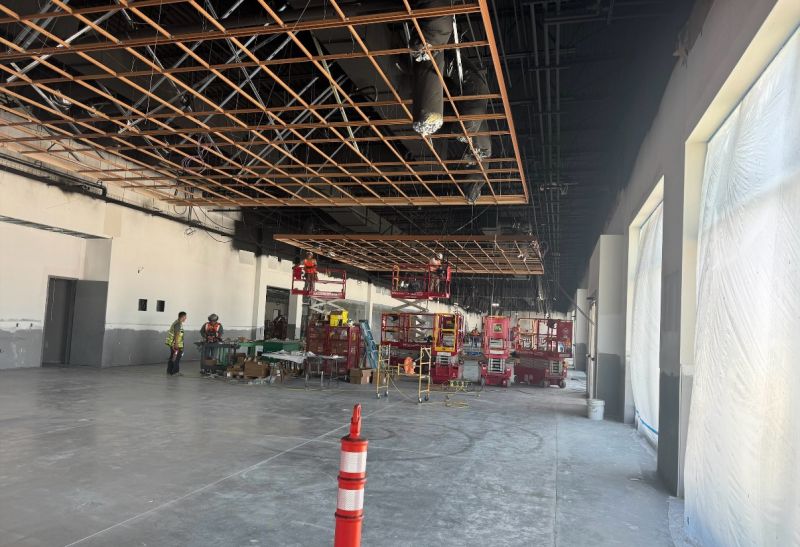
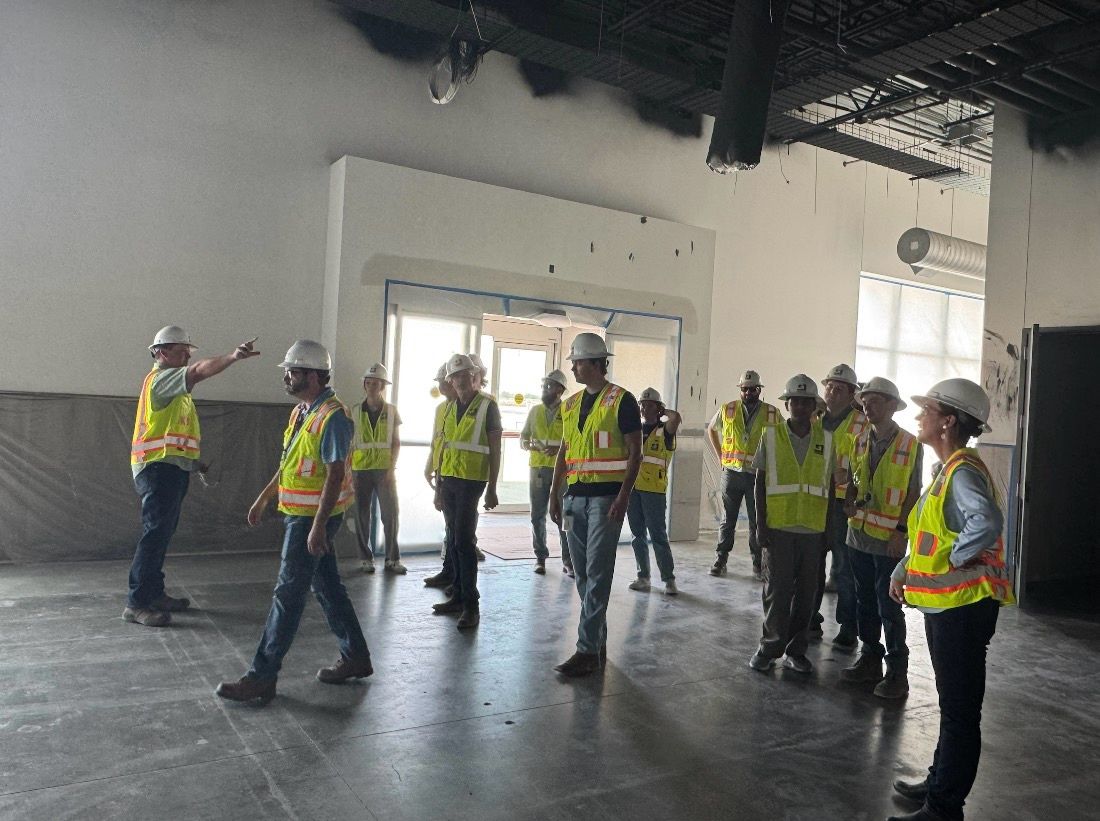
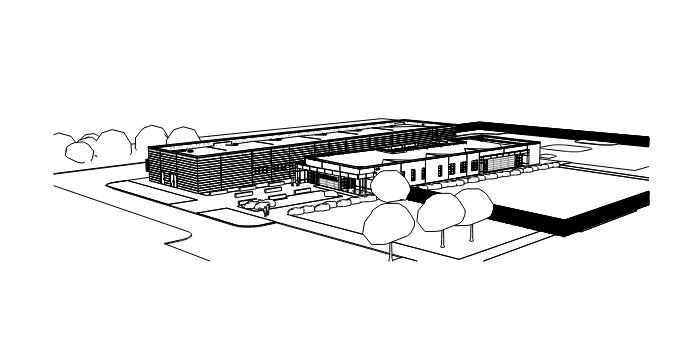
The North Texas Emergency Communications Center represents a highly specialized facility designed to support critical public safety communications, emergency dispatch operations, technology infrastructure, and regional coordination. Although classified within the Theater & Entertainment Project portfolio for project categorization, this facility demonstrates a very different type of complex building environment—one where structural reliability, technological coordination, operational continuity, and carefully planned construction documentation are essential.
The North Texas Emergency Communications Center, commonly known as NTECC, serves Addison, Carrollton, Coppell, and Farmers Branch and operates as a regional 9-1-1 dispatch organization. NTECC’s official information describes it as a regional emergency communications center providing critical public safety communications services to these communities.
The development of a new communications center reflects the increasing requirements of modern emergency response operations. Public safety facilities must accommodate advanced telecommunications infrastructure, dispatch workstations, technology rooms, administrative areas, training spaces, support functions, and resilient building systems. NTECC has publicly described its new center as a major facility intended to better serve its communities.
For Rydberg Engineering LLC, a project of this nature highlights the importance of structural steel detailing, 3D structural modeling, Building Information Modeling (BIM), connection detailing, shop drawings, erection drawings, and coordinated construction documentation.
Mission-Critical Facility Planning
An emergency communications center is fundamentally different from a conventional office building. Its operations must remain functional when communities are experiencing severe weather, accidents, infrastructure failures, major public events, or other emergencies.
Operational Requirements
A modern communications facility can include dispatch areas, call-taking workstations, technology rooms, administrative offices, meeting rooms, training areas, support spaces, equipment rooms, and specialized communications infrastructure.
Supporting 24/7 Operations
Emergency communications centers operate continuously, requiring building systems and spaces to support staff working around the clock.
Designing for Continuity
Structural and architectural planning must contribute to a facility capable of supporting uninterrupted operations and long-term adaptability.
Structural Engineering for NTECC
Structural engineering provides the foundation for the safety, stability, durability, and constructability of the communications center.
Structural Framing Development
The structural system must accommodate architectural layouts, technology spaces, equipment requirements, roof systems, mechanical services, electrical infrastructure, and operational requirements.
Coordinating Structural Components
Beams, columns, braces, roof framing, platforms, stairs, equipment supports, plates, and connections must be accurately positioned and coordinated.
Supporting Reliable Operations
Accurate structural detailing helps transform engineering information into practical construction documentation that can be used during fabrication and erection.
3D Structural Modeling and BIM Coordination
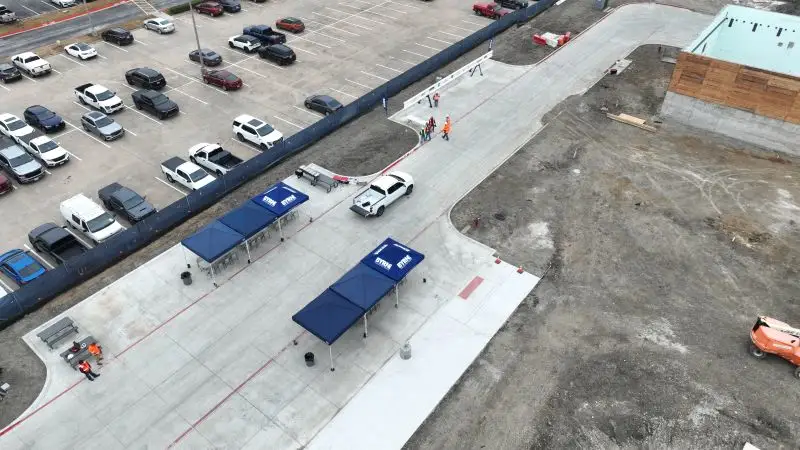
3D structural modeling and BIM coordination are particularly valuable for mission-critical facilities because they allow complex building interfaces to be reviewed before construction.
Digital Structural Visualization
A coordinated structural model provides a three-dimensional representation of the building framework.
Reviewing Complex Conditions
Project teams can examine beams, columns, roof framing, bracing, equipment supports, openings, connections, and architectural interfaces.
Identifying Potential Conflicts
BIM coordination provides opportunities to identify conflicts between structural framing and mechanical, electrical, plumbing, telecommunications, security, fire protection, and technology systems.
Structural Steel Detailing
Structural steel detailing forms an important part of converting engineering design into fabrication-ready information.
Detailed Structural Components
Depending on project requirements, detailing can include:
- Structural steel beams
- Columns
- Roof framing
- Bracing
- Stairs
- Platforms
- Equipment supports
- Base plates
- Gusset plates
- Connection plates
- Stiffeners
- Canopies
- Miscellaneous steel
Accurate Member Documentation
Each structural component must be represented with appropriate dimensions, material specifications, locations, piece marks, and connection requirements.
Supporting Fabrication
Detailed drawings give steel fabricators the information required to manufacture individual components and assemblies accurately.
Emergency Communications Operations Areas
The communications floor is one of the most important functional areas within a facility such as NTECC.
Dispatch and Call-Taking Spaces
Emergency communications centers require carefully organized work environments for personnel responsible for receiving emergency calls and coordinating dispatch activities.
Structural and Technology Coordination
Structural framing must coexist with workstation layouts, cable pathways, technology systems, lighting, HVAC distribution, and other infrastructure.
Supporting Operator Performance
A coordinated building environment can help create functional workspaces that support staff concentration, communication, and continuous operations.
Technology Infrastructure Coordination
Modern emergency communications centers depend heavily on technology.
Communications and Data Systems
NTECC’s current development plans include advanced communications infrastructure, and public records indicate planning for call-handling services, Emergency Services Internet Network services, radio infrastructure, audiovisual systems, and other technology requirements.
Integrating Technology With Structure
Structural systems must be coordinated with equipment rooms, cable routes, suspended systems, equipment supports, and building-service pathways.
Planning for Future Technology
Because communications technology evolves rapidly, structural and architectural systems should allow reasonable flexibility for future upgrades.
Structural Steel Shop Drawings
Structural steel shop drawings provide essential information for fabrication.
Fabrication Documentation
Shop drawings may include:
- Member sizes
- Member dimensions
- Material specifications
- Plate sizes
- Bolt locations
- Weld requirements
- Hole locations
- Stiffeners
- Connection configurations
- Piece marks
- Assembly information
Clear Fabrication Requirements
Detailed documentation helps fabricators interpret the structural design and manufacture components according to approved requirements.
Improving Fabrication Accuracy
Accurate shop drawings help reduce ambiguity and support efficient fabrication.
Erection Drawings for Emergency Facilities
Erection drawings provide field crews with critical information for installing the structural steel system.
Field Installation Documentation
These drawings can identify grid locations, elevations, member orientations, piece marks, framing relationships, and connection locations.
Supporting Organized Erection
Clear erection documentation helps field teams understand how individual structural members fit together.
Improving Construction Efficiency
Coordinated erection drawings can help reduce uncertainty during steel installation and support a more organized construction sequence.
Structural Connection Detailing
Connections are a critical component of any structural steel system.
Detailed Steel Connections
Connection detailing can include beam-to-column connections, bracing connections, base plates, gusset plates, stiffeners, equipment-support connections, and other structural interfaces.
Practical Connection Coordination
Connections must meet engineering requirements while also considering fabrication, transportation, handling, access, and field erection.
Accurate Bolted and Welded Connections
Clear bolt and weld information helps fabricators and erection teams understand how structural members are intended to be assembled.
Equipment and Building-System Supports
Emergency communications facilities contain specialized equipment that can require dedicated structural support.
Equipment Support Structures
Structural steel may be required to support mechanical equipment, communications infrastructure, antennas, cable systems, technology equipment, or other building components.
Coordinating Equipment Loads
Equipment locations and support requirements should be reviewed alongside structural framing.
Supporting Long-Term Flexibility
Properly detailed support systems can help accommodate equipment changes and future technology upgrades.
MEP and Structural Coordination
Mission-critical facilities require extensive mechanical and electrical infrastructure.
Building Services Integration
Structural framing may interact with:
- HVAC ductwork
- Electrical conduits
- Plumbing
- Fire protection
- Sprinkler systems
- Emergency power systems
- Data cabling
- Telecommunications
- Security systems
- Communication infrastructure
BIM-Based Clash Detection
A coordinated model allows project teams to identify conflicts between structural and building-service systems.
Reducing Field Modifications
Early identification of coordination issues can reduce rework, delays, and unexpected field changes.
Resilience and Continuity of Operations
Emergency communications centers are designed around the principle of operational continuity.
Mission-Critical Building Requirements
Public documentation regarding the NTECC development shows that the organization has been planning a new facility to support its long-term operational needs. In 2024, participating municipalities approved funding arrangements associated with acquiring property for a new NTECC facility, with the proposed site remaining in Carrollton.
Supporting Regional Emergency Response
The center serves multiple North Texas communities, making reliability and coordination especially important.
Building for the Future
A purpose-built facility can provide improved space, technology infrastructure, and operational flexibility compared with temporary or constrained facilities.
Architectural and Structural Integration
Although operational performance is the primary concern, the building must also provide a professional, functional, and welcoming environment for employees and visitors.
Coordinating Structure With Architecture
Structural framing must work with walls, façades, ceilings, doors, windows, stairs, interior finishes, and building layouts.
Preserving Design Intent
Accurate structural detailing allows the architectural design to be implemented while maintaining constructability.
Precision in Critical Areas
Areas containing technology, equipment, and complex architectural interfaces require particularly careful coordination.
Training and Support Spaces
Emergency communications personnel require ongoing training and professional development.
Training Facility Coordination
Training rooms, meeting spaces, administrative areas, and support facilities must integrate with the structural system.
Flexible Interior Layouts
Structural framing can be coordinated to provide adaptable spaces for changing training and operational requirements.
Supporting Workforce Development
A well-planned facility provides an environment that supports both current operations and future workforce needs.
Quality Control in Structural Detailing
Quality control is essential for a mission-critical facility.
Structural Model Review
Reviews can examine:
- Member dimensions
- Grid locations
- Elevations
- Framing relationships
- Connection information
- Material specifications
- Piece marks
- Bolt locations
- Weld details
- Drawing consistency
Accuracy Before Fabrication
Thorough checking helps identify discrepancies before steel components are manufactured.
Reliable Construction Documentation
High-quality drawings provide dependable information for engineers, fabricators, contractors, and field crews.
Digital Construction Workflow
Modern digital workflows improve coordination throughout the project lifecycle.
BIM-Based Project Delivery
A coordinated BIM workflow can support:
- 3D structural visualization
- Clash detection
- Multidisciplinary coordination
- Structural steel detailing
- Shop drawings
- Erection drawings
- Construction planning
- Quality control
Centralized Structural Information
The 3D model can provide a common reference for structural components and associated documentation.
Improving Project Delivery
Digital coordination helps project participants identify potential issues earlier and make informed decisions before construction.
Rydberg Engineering LLC Structural Steel Detailing Expertise
Rydberg Engineering LLC provides structural steel detailing, BIM modeling, connection detailing, and construction documentation services for commercial, institutional, public safety, educational, entertainment, retail, and other building projects.
Comprehensive Detailing Capabilities
Our services include:
- Structural steel detailing
- 3D structural modeling
- Building Information Modeling
- BIM coordination
- Steel shop drawings
- Erection drawings
- Connection detailing
- Fabrication documentation
- Construction coordination
- Quality control
Engineering-to-Fabrication Workflow
Accurate detailing creates a dependable connection between engineering design and fabrication-ready information.
Precision-Driven Construction Support
Detailed structural models and drawings help fabricators and contractors understand structural requirements and support efficient construction.
Internal Link – Structural Steel Detailing Services
Learn more about Rydberg Engineering LLC Structural Steel Detailing Services, including structural steel modeling, BIM coordination, connection detailing, shop drawings, and erection documentation.
External Link – North Texas Emergency Communications Center
For additional information about the organization, its regional emergency communications role, technology, and new center development, visit the official North Texas Emergency Communications Center website. NTECC identifies itself as a regional emergency communications organization serving Addison, Carrollton, Coppell, and Farmers Branch.
Regional Public Safety Coordination
The NTECC project reflects the growing importance of regional emergency communications infrastructure.
Serving Multiple Communities
NTECC provides 9-1-1 and dispatch services across four North Texas communities.
Coordinated Emergency Response
Regional dispatch operations allow emergency communications resources to be coordinated across municipal boundaries.
Supporting Community Resilience
A purpose-built communications center can provide infrastructure designed around the operational requirements of modern public safety organizations.
Future-Ready Facility Development
The development of a new center is also an investment in future public safety capabilities.
Planning for Growth
Emergency communications technology, staffing requirements, data systems, and operational workflows continue to evolve.
Flexible Structural Planning
A well-coordinated structural system can provide the flexibility necessary to accommodate future interior modifications and technology upgrades.
Long-Term Operational Value
Accurate structural documentation supports maintenance, renovations, expansions, and future construction planning.
Construction Coordination and Preconstruction Planning
Preconstruction coordination is particularly important for mission-critical facilities.
Reviewing Complex Interfaces
Structural, architectural, MEP, technology, communications, and security systems must be coordinated before installation.
Reducing Construction Risk
Early digital review provides opportunities to identify conflicts before they affect fabrication or field installation.
Improving Project Predictability
Accurate documentation supports better communication among engineers, fabricators, contractors, and facility stakeholders.
Conclusion – North Texas Emergency Communications Center
Ultimately, the North Texas Emergency Communications Center project demonstrates how structural engineering, structural steel detailing, 3D structural modeling, BIM coordination, connection detailing, shop drawings, erection drawings, and construction documentation can support the development of a highly specialized public safety facility.
While categorized within the Theater & Entertainment Project portfolio, the NTECC project has a fundamentally mission-critical purpose. Its function is centered on emergency communications, dispatch operations, technology infrastructure, and regional public safety coordination.
The facility serves Addison, Carrollton, Coppell, and Farmers Branch, making dependable communications infrastructure an important component of regional emergency response.
The development of a new NTECC facility reflects the organization’s long-term planning for its future operational needs. Public information indicates that the participating municipalities have worked together on property acquisition and facility development, while NTECC has also been planning technology and communications systems for the new center.
Through 3D structural modeling and BIM coordination, structural elements such as beams, columns, roof framing, bracing, equipment supports, stairs, platforms, and connections can be reviewed alongside complex technology and building-service systems.
Accurate structural steel shop drawings provide fabricators with detailed member dimensions, material specifications, connection requirements, bolts, welds, plates, stiffeners, and assembly information. Erection drawings then provide field teams with the information needed to install structural steel accurately and efficiently.
Connection detailing remains another critical part of the workflow. Carefully documented bolted and welded connections help support fabrication, transportation, assembly, and field erection while maintaining consistency with engineering requirements.
Quality control throughout modeling and detailing helps verify member dimensions, elevations, framing relationships, connection information, materials, piece marks, bolts, welds, and drawing consistency. For a mission-critical facility, this attention to detail is especially valuable because the building must support continuous operations and future technology requirements.
For Rydberg Engineering LLC, the North Texas Emergency Communications Center project demonstrates the application of structural steel detailing and BIM expertise to a technologically advanced and operationally important facility.
By combining structural steel detailing, 3D modeling, BIM coordination, connection detailing, fabrication documentation, erection drawings, and construction coordination, Rydberg Engineering LLC helps create a clear connection between engineering design and the physical construction process.
The North Texas Emergency Communications Center ultimately represents how thoughtful engineering, accurate structural documentation, advanced digital coordination, and multidisciplinary collaboration can contribute to a reliable facility designed to support emergency communications and public safety operations for years to come.
Save Time. Save Money. Save Materials.
Partner with us for world-class structural detailing and modeling services
Request a Proposal